

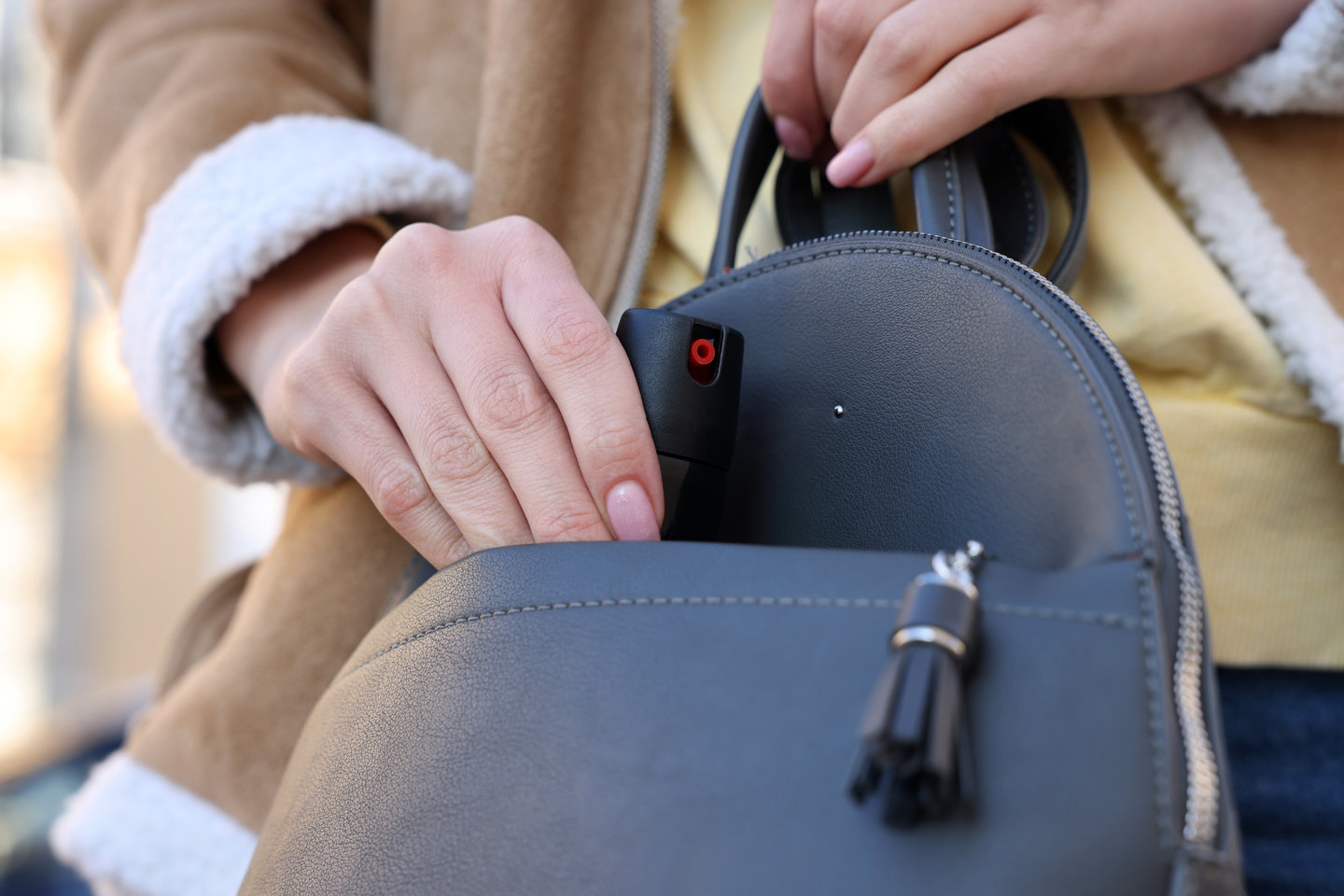
Non-lethal weapons give you the tools to protect yourself without resorting to deadly force. In Florida, the law allows most people to carry items like tasers and pepper spray for self-defense, but the rules around these options vary based on the weapon and how you plan to use it. If you’re considering carrying a non-lethal weapon, you need to know what’s legal and what could lead to criminal charges.
At The Wiseman Law Firm, we’ve defended clients facing charges related to weapons violations and self-defense claims. Our founding attorney, Simon Wiseman, brings more than a quarter-century of trial-tested experience as both a former prosecutor and a criminal defense attorney. We can help you navigate Florida’s self-defense laws and build a strong defense if you’re facing charges for improper use or possession of a non-lethal weapon.
What Non-Lethal Weapons Are Legal in Florida
Florida law permits the possession of several non-lethal self-defense weapons. Under Florida Statute § 790.01, the state distinguishes between weapons based on whether they’re designed to kill or to incapacitate temporarily. Non-lethal weapons fall into the second category, and most adults can carry them without a permit.
You can legally carry pepper spray in Florida as long as it contains no more than two ounces of chemical. The spray must also be designed solely for self-defense, not as a weapon of aggression. This size restriction keeps pepper spray classified as a self-defense tool rather than a weapon that could trigger charges.
Tasers and stun guns are also legal in Florida for self-defense purposes. Unlike firearms, you don’t need a concealed carry permit to own or carry an electronic control device like a taser. However, Florida law prohibits you from using these devices to harm someone intentionally outside of a legitimate self-defense situation.
Batons, nightsticks, and similar impact weapons occupy a gray area. You can own them, but carrying one in public may be illegal depending on the circumstances. If law enforcement believes you’re carrying a baton with the intent to use it unlawfully, you could face weapons charges.
When Using a Non-Lethal Weapon Is Justified
Just because you can legally carry a non-lethal weapon doesn’t mean you can use it whenever you feel threatened. Florida’s self-defense laws apply to non-lethal weapons just as they do to firearms. You must reasonably believe that using force is necessary to prevent imminent harm to yourself or someone else.
For example, if someone approaches you aggressively in a parking lot and you deploy pepper spray to stop them, you may be justified under Florida law. But if you spray someone during an argument or after a threat has passed, you could face criminal charges for assault or battery.
Florida’s “Stand Your Ground” law allows you to use reasonable force, including non-lethal force, without a duty to retreat if you’re in a place where you have a legal right to be. This law applies to pepper spray, tasers, and other non-lethal weapons. However, the force you use must be proportional to the threat you face. Using a taser against someone who merely insults you, for instance, would likely not be considered reasonable.
Where You Can and Can’t Carry Non-Lethal Weapons
Even though Florida allows you to carry most non-lethal weapons, specific locations prohibit them entirely. Schools, government buildings, airports, and courthouses typically ban all weapons, including pepper spray and tasers. Violating these restrictions can result in misdemeanor or felony charges, depending on the weapon and the location.
Private businesses also have the right to prohibit weapons on their premises. If a store or restaurant posts a sign banning weapons, you must comply or risk trespassing charges if you refuse to leave.
You should also be careful about carrying non-lethal weapons across state lines. What’s legal in Florida may be illegal in other states. If you travel frequently, research the laws in each state you visit to avoid accidentally breaking the law.
What to Do If You’re Charged with Improper Use of a Non-Lethal Weapon
If you’re arrested for using or carrying a non-lethal weapon improperly, don’t assume the charges will go away on their own. Florida prosecutors take weapons violations seriously, and even a misdemeanor conviction can result in jail time, fines, and a criminal record.
We’ve handled numerous cases involving self-defense claims and weapons charges. In one case, our client was charged with battery after using a taser during a confrontation. Through careful investigation, we demonstrated that our client acted in self-defense and had a reasonable fear of harm. The charges were dismissed before trial.
If you’re facing charges related to a non-lethal weapon, acting quickly can make a difference. Evidence fades, witnesses’ memories become less reliable, and the state may build a stronger case against you if you delay. An attorney can review the facts, challenge any procedural errors, and work to protect your rights throughout the process.
Get Help from The Wiseman Law Firm
At The Wiseman Law Firm, we offer the aggressive and zealous representation you deserve. Attorney Simon Wiseman is a former prosecutor who has successfully handled high-profile cases in criminal courts and now uses this insider knowledge to craft the strongest possible defense for his clients.
We make ourselves available 24 hours a day and are top-rated by our clients for the personal attention and results we provide. If you’re facing charges related to a non-lethal weapon or have questions about Florida’s self-defense laws, contact us to discuss your situation.