Orlando Drug Crimes Lawyer
Legally Reviewed by Simon Wiseman on May 26, 2025
A drug charge in Florida carries consequences that reach far beyond the courtroom. Depending on the type and amount of substance involved, you could face mandatory prison sentences, steep fines, a permanent felony record, loss of your driver’s license, and lasting damage to your career and reputation. Florida has some of the harshest drug laws in the country, and the State of Florida prosecutes these cases hard. If you have been charged with a drug offense in Orlando, the time to act is now.
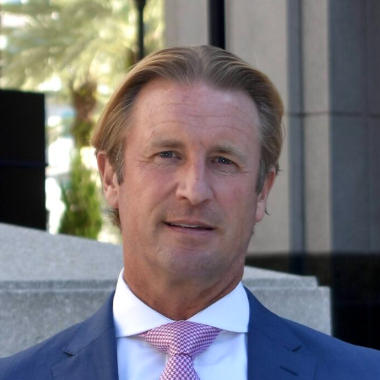
At The Wiseman Law Firm, Attorney Simon Wiseman brings more than a quarter century of trial-tested experience to every drug case he handles. As a former state prosecutor in Orange County, he spent years on the other side of these cases — and he now uses that insider knowledge to build the strongest possible defense for clients facing drug charges throughout Central Florida. His track record includes dismissed charges across a wide range of drug offenses, from possession to trafficking.
⚠ Time-Sensitive — Florida Law Limits Your Window to Act
The earlier you have an attorney, the more options you have. Evidence can be challenged, rights violations can be raised, and outcomes can change — but only if you move quickly.
Attorney Wiseman is a former prosecutor with over 25 years of experience, available 24/7, and offers free and confidential initial consultations.
Drug Offenses The Wiseman Law Firm Defends in Orlando
Florida’s drug laws, found under Chapter 893 of the Florida Statutes — Drug Abuse Prevention and Control, cover a wide range of conduct involving controlled substances. Attorney Wiseman handles the full spectrum of drug charges, including those involving the following substances and case types:
- Prescription drugs: Adderall, Opiates (Oxycodone, OxyContin), Soma, Xanax, and other controlled medications — learn more about prescription drug charges
- Cocaine and crack cocaine: Possession, sale, and trafficking charges — learn more about cocaine and crack charges
- Heroin: One of the most seriously prosecuted Schedule I substances in the State of Florida — learn more about heroin charges
- Marijuana and cannabis: Charges vary significantly by quantity, from misdemeanors to trafficking-level felonies — learn more about marijuana charges
- Methamphetamine: Manufacturing, possession, and distribution charges involving meth carry severe penalties — learn more about meth charges
- Ecstasy/Molly (MDMA): A Schedule I controlled substance frequently charged alongside trafficking allegations — learn more about ecstasy charges
- Fentanyl: Florida prosecutors pursue fentanyl cases with particular intensity given the drug’s lethality
- Drug paraphernalia: Florida law criminalizes possession of items used to manufacture, store, or consume drugs — learn more about drug paraphernalia charges
- Hallucinogens: Including LSD, psilocybin, and similar Schedule I substances
- THC oil and wax: Concentrate charges are often treated more seriously than flower-form marijuana
The charge you face depends on the substance, the quantity, and the circumstances of your arrest. Attorney Wiseman can review the details of your case and identify where the State’s case has weaknesses.
How Florida Classifies and Punishes Drug Offenses
Florida divides controlled substances into five schedules based on their potential for abuse and accepted medical use. Schedule I substances — including heroin, fentanyl, and MDMA — are considered the most dangerous, with no accepted medical use and a high potential for addiction. Schedule II includes cocaine, methamphetamine, and oxycodone. Lower schedules cover substances with recognized medical applications and decreasing abuse potential.
Where your charge lands on that spectrum has a direct impact on the severity of the penalties you face. Here is how Florida’s sentencing structure generally breaks down for drug offenses:
- Simple possession (most Schedule I or II substances): Third-degree felony, up to 5 years in prison and a $5,000 fine
- Possession of 10 grams or more of certain Schedule I drugs: First-degree felony, up to 30 years in prison
- Possession of less than 20 grams of cannabis: First-degree misdemeanor, up to 1 year in jail and a $1,000 fine
- Sale, manufacturing, or delivery: Second-degree felony for Schedule I or II substances, up to 15 years in prison
- Drug trafficking: First-degree felony with mandatory minimum sentences ranging from 3 to 15 years, depending on the substance and weight — learn more about drug trafficking charges
- Drug manufacturing: Serious felony charges that can escalate depending on lab conditions and quantity — learn more about drug manufacturing charges
- Possession with intent to distribute: Enhanced charges that carry penalties beyond simple possession — learn more about possession with intent charges
- Drug possession: Charges depend on substance, weight, and prior history — learn more about drug possession charges
Beyond prison time, a drug conviction in Florida can also result in probation, driver’s license suspension, property forfeiture, and significant long-term damage to employment and housing opportunities.
State vs. Federal Drug Charges in Florida
Most drug arrests in Orlando are processed at the state level under Chapter 893. However, federal authorities — including the DEA and FBI — become involved when a case involves crossing state lines, occurs on federal property, or is connected to a larger trafficking network. Florida’s proximity to international waters and its position as a drug entry point into the United States means federal interest in drug cases here is higher than in many other states.
Federal drug convictions are governed by the Controlled Substances Act and carry mandatory minimum sentences that are often harsher than state-level penalties. A state case can also be “adopted” by federal prosecutors after a state arrest, meaning the stakes can escalate quickly. If there is any indication that your case could attract federal attention, Attorney Wiseman’s background in high-profile criminal cases positions him well to navigate that risk from the start.
Defense Strategies That May Apply to Your Case
Drug cases in Florida often turn on procedural issues as much as the underlying facts. The way evidence was gathered, how officers conducted themselves, and whether your constitutional rights were respected can all form the basis of a strong defense. Depending on the specifics of your case, potential defense strategies include the following:
- Illegal search and seizure: Evidence obtained without a valid warrant or probable cause may be suppressed under Florida law, potentially gutting the prosecution’s case entirely
- Lack of possession: Prosecutors must prove actual or constructive possession — if drugs were found in a shared space or a location others had access to, that element may be challenged
- Unknowing possession: If you were unaware the controlled substance was in your possession, a lack-of-knowledge defense may apply
- Entrapment: If law enforcement induced you to commit an offense you would not have otherwise committed, entrapment may be a viable defense
- Chain of custody issues: Gaps or inconsistencies in how evidence was handled can raise reasonable doubt about its integrity
- Crime lab analysis errors: Testing procedures, contamination, and mishandling can all be challenged through independent analysis and expert testimony
- Miranda rights violations: Statements made without a proper Miranda warning may be suppressed and kept from the jury
- Medical necessity: In cases involving prescription medications or cannabis, documentation of a valid prescription or legal authorization may form a complete defense
Not every defense applies to every case. Attorney Wiseman reviews each situation individually to determine which arguments have the strongest basis in your specific facts.
What Happens After a Drug Arrest in Orlando
If you have been arrested for a drug offense in Orlando, understanding the process ahead can help you make better decisions. After an arrest, you will typically be processed and booked at the Orange County Jail. A first appearance hearing is usually held within 24 hours, where a judge will set bond conditions. From there, the State has time to formally file charges — and that is the window where having an experienced attorney matters most.
An attorney can appear at your first appearance, advocate for a reasonable bond, and begin evaluating the evidence before formal charges are even filed. In some cases, early intervention can prevent charges from being filed at all. Attorney Wiseman has achieved dismissals pre-charge in serious drug matters, including a case involving felony possession of oxycodone, possession of a controlled substance with intent to sell, and cannabis charges — all dismissed. Reaching out before charges are filed, not after, gives you the most options.
Contact The Wiseman Law Firm for Drug Crime Defense in Orlando
Attorney Simon Wiseman has spent more than 25 years in the Central Florida court system — first as a state prosecutor in Orange County, and for over two decades since as a criminal defense attorney handling cases from minor misdemeanors to first-degree felonies. His clients are 5-star rated on Google, and his peers in the legal community have endorsed him for his professionalism, attention to detail, and results. He is available 24 hours a day because a drug arrest does not wait for business hours.
If you or someone you care about is facing drug charges in Orlando, do not wait. The earlier you involve an attorney, the more room there is to build a defense, challenge the evidence, and pursue the outcome you deserve. Contact The Wiseman Law Firm through our online contact form to schedule your free and confidential consultation.
Frequently Asked Questions About Drug Charges in Orlando
Do I have a valid drug charge defense if the drugs were not on my person?
Possibly. Florida law recognizes two types of possession: actual possession, where drugs are physically on you, and constructive possession, where they are in a location you control or share. If the drugs were found in a shared vehicle, apartment, or area accessible to multiple people, the State must prove you had knowledge of the drugs and the ability to control them. That can be a significant burden to meet, and a skilled defense attorney may be able to challenge it effectively.
What is the deadline to resolve a drug case in Florida?
Unlike civil claims, criminal cases in Florida do not have a statute of limitations in the same traditional sense once charges have been filed. However, the State of Florida does have speedy trial rules: for misdemeanors, trial must begin within 90 days of arrest; for felonies, within 175 days. An attorney can use these timelines strategically. What does have a hard deadline is your response — the sooner you retain counsel after an arrest, the more options remain available to you.
How much does it cost to hire a drug crime attorney in Orlando?
The Wiseman Law Firm offers free and confidential initial consultations. Attorney’s fees vary depending on the complexity and severity of the charges involved. Many clients find that investing in experienced representation pays off — both in potential case outcomes and in avoiding the long-term costs of a felony conviction, which can affect employment, housing, and professional licensing for years.
What is the difference between state and federal drug charges?
State drug charges in Florida are prosecuted under Chapter 893 of the Florida Statutes and are handled in state courts. Federal charges arise when a case involves crossing state lines, occurs on federal property, or is connected to a larger trafficking or distribution network. Federal penalties are often harsher and include mandatory minimums under the Controlled Substances Act. In some cases, a state arrest can be adopted by federal prosecutors, significantly increasing the stakes. Attorney Wiseman’s background in high-profile criminal cases equips him to handle both scenarios.
Can drug charges be reduced or dismissed in Florida?
Yes, in many cases they can. Outcomes depend on the specific charges, the evidence, and the defense strategy employed. Common paths include suppression motions that exclude unlawfully obtained evidence, pre-trial diversion programs for eligible defendants, negotiated plea reductions, and in some cases full dismissal where constitutional rights were violated. Attorney Wiseman has achieved dismissals at the pre-charge stage, during discovery, and at trial across a range of drug offenses.
What should I do immediately after a drug arrest in Orlando?
Do not speak to law enforcement without an attorney present. You have the right to remain silent, and anything you say can be used against you. Do not consent to additional searches. Contact an attorney as soon as possible — ideally before your first appearance hearing. The Wiseman Law Firm is available 24 hours a day for exactly this reason. Early legal involvement can make a meaningful difference in bond conditions, the charging decision, and the overall direction of your case.