

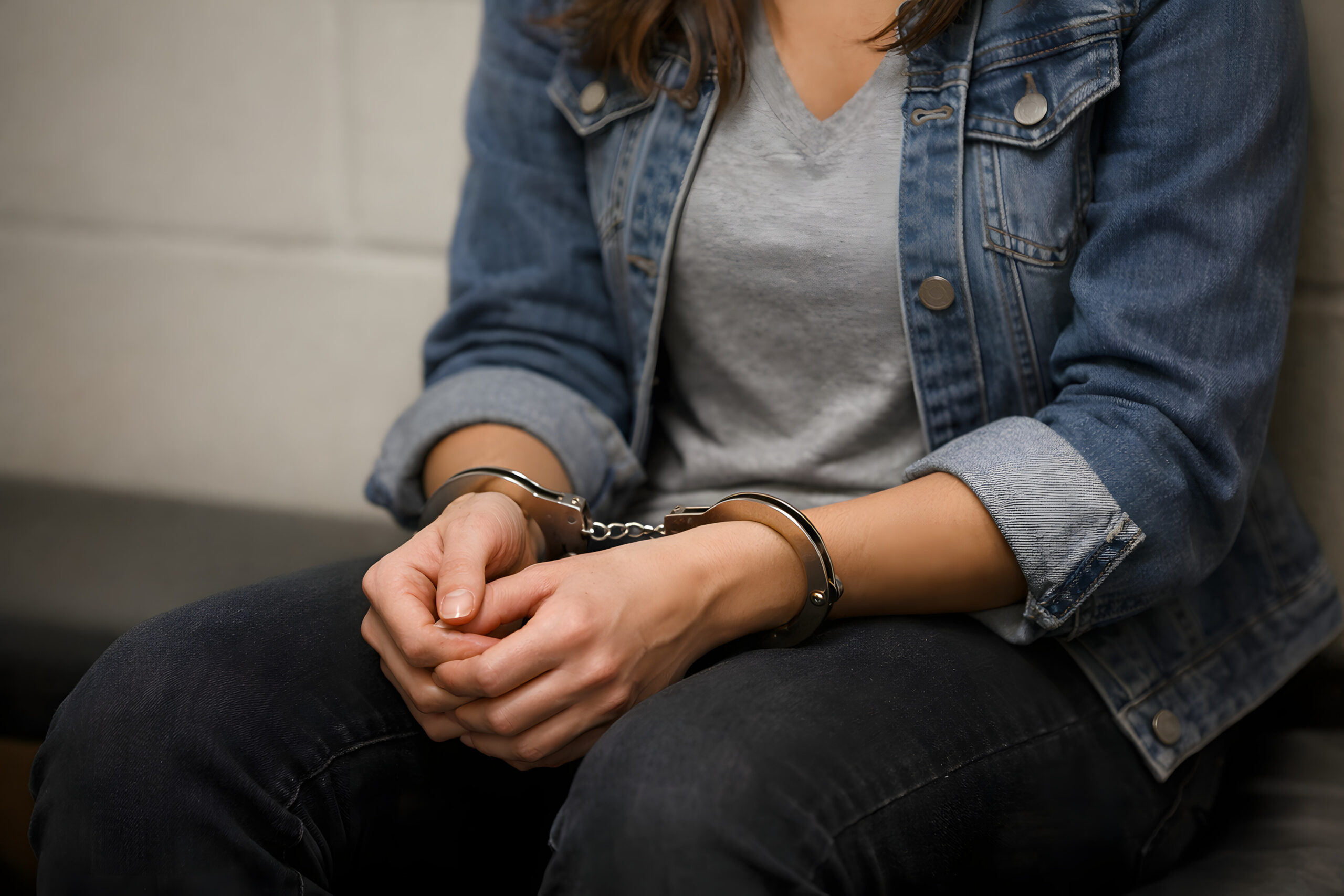
Florida law now treats AI-generated deepfakes with the same severity as actual pornographic content when created without consent. Under Florida Statute Section 836.13, generating, possessing, or sharing sexually explicit images or videos of an identifiable person through artificial intelligence can result in third-degree felony charges carrying up to five years in prison, five years of probation, and fines up to $5,000 per image. This represents Florida’s response to a growing problem where ordinary people have been victimized by manipulated content, placing their faces onto explicit material they never participated in creating.
At The Wiseman Law Firm, Attorney Simon Wiseman has built his criminal defense practice on more than 25 years of trial-tested experience. As a former prosecutor in Orange County who tried over 100 jury trials, he understands how aggressively the State of Florida pursues digital sex crimes charges. Now, he uses that insider knowledge to defend clients facing allegations involving AI-generated content.
Understanding Florida’s Deepfake Laws
Florida Statute Section 836.13, effective October 1, 2022, defines “altered sexual depiction” as any visual content modified through digital, electronic, or mechanical means to depict a realistic version of an identifiable person in sexual conduct they did not actually perform. The statute criminalizes four specific acts: willfully and maliciously generating such images, soliciting someone else to create them, possessing them with intent to distribute, and promoting or sharing them.
The law applies even when the depicted sexual activity is entirely fictional. Prosecutors do not need to prove the material looks completely realistic. They only need to establish that the person is identifiable and did not consent. For example, if you use artificial intelligence tools to place someone’s face onto sexually explicit material and the person can be recognized, you have violated the statute regardless of whether the final product appears convincingly real.
Criminal Penalties and Long-Term Consequences
Third-degree felonies in Florida carry substantial punishment beyond imprisonment and fines. A conviction creates a permanent criminal record impacting employment opportunities, professional licensing, and the right to vote. When law enforcement investigates these cases, they typically execute search warrants on electronic devices, which means your phone, computer, and cloud storage become part of the evidence. Multiple files can lead to multiple felony charges, with prosecutors treating each image or video as a separate violation.
The criminal exposure extends beyond Section 836.13. Defendants frequently face additional charges under Florida Statute Section 784.049, which addresses sexual cyberharassment or “revenge porn.” When the depicted person is a minor or appears to be a minor, charges escalate dramatically under Florida’s child pornography statutes found in Section 827.071.
Potential Defense Strategies
Criminal defense in AI-generated content cases requires demonstrating that the State of Florida cannot prove every element beyond a reasonable doubt. The statute requires defendants to act “willfully and knowingly,” which creates an opening for lack of intent defenses. Someone who unknowingly received a file through auto-download features, group message forwarding, or cloud synchronization may not have possessed the required criminal intent.
Consent represents another viable defense strategy. If the depicted individual agreed to the creation or distribution of the material, the charge may not satisfy statutory requirements. The identifiability requirement offers a third defense avenue. The law criminalizes depictions of “an identifiable person,” meaning prosecutors must establish that the alleged victim can be reasonably recognized from the image.
Civil Liability Beyond Criminal Charges
Florida Statute Section 836.13 also creates a civil cause of action allowing victims to sue anyone who generated or possessed with the intent to maliciously promote altered sexual depictions. Victims can recover injunctive relief forcing removal of content, monetary damages of at least $10,000 or actual damages (whichever is higher), and attorney’s fees.
House Bill 1161, effective June 10, 2025, requires covered platforms to establish removal processes for altered sexual depictions. These platforms must take down reported content within 48 hours. The federal TAKE IT DOWN Act, passed in May 2025, imposes similar requirements nationwide. Understanding your rights under these laws is essential when facing theft crimes or other criminal allegations involving digital content.
Contact The Wiseman Law Firm for Your Defense
Attorney Simon Wiseman brings both prosecutorial insight and aggressive criminal defense advocacy to cases involving AI-generated content allegations. His experience trying over 100 jury trials, including high-profile cases and complex digital evidence matters, positions him to challenge the State’s evidence and protect your constitutional rights. He understands the technical aspects of digital forensics and how law enforcement investigates electronic devices, knowledge he gained from his time as an Orange County prosecutor.
The Wiseman Law Firm is available 24 hours a day because we know these charges require immediate attention. Contact us today to schedule your confidential consultation and begin building your defense strategy.