
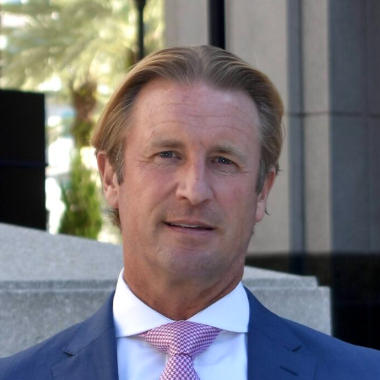
Legally Reviewed by Simon Wiseman, Esq. on September 1, 2026
When you are facing criminal charges in Orlando, the attorney you choose can shape every decision that follows, from your first appearance and bond hearing to the strength of your defense if your case goes to trial. Look for a lawyer with genuine trial experience, direct knowledge of how Central Florida prosecutors build their cases, and a strategy built around the specific charge you are facing rather than a one-size-fits-all approach. Credentials that come from peer review, courtroom time, and a clear plan for your case matter far more than advertising claims alone.
At The Wiseman Law Firm, our Orlando criminal defense practice is led by Simon Wiseman, a former state prosecutor with more than two decades of trial experience across Orange, Osceola, and Seminole Counties. Attorney Wiseman has been recognized by Super Lawyers and named among The National Trial Lawyers’ Top 100 Trial Lawyers, professional recognitions built on peer evaluation and courtroom performance rather than paid placement. That background, on both sides of the courtroom, shapes how we approach every case we take on.
What Qualifies Someone as a Top Criminal Defense Attorney in Orlando
The label “best” gets used loosely in legal advertising, so it helps to know what actually separates a strong criminal defense attorney from an average one. Genuine trial experience is one of the clearest indicators. An attorney who has tried cases in front of a jury, rather than one who resolves every case through a plea, understands how evidence holds up under cross-examination, how a jury actually reacts to the State’s case, and when a case is strong enough to take to trial rather than settle for a plea that does not reflect the facts.
Volume of cases is not the same as quality of representation. A firm that carries hundreds of open files at once often cannot give each client the same level of attention that a smaller, trial-focused practice can provide. When you are comparing attorneys, ask directly how many active cases they carry and whether you will be working with that attorney personally throughout your case.
Prior experience as a prosecutor is another meaningful factor, since it gives an attorney direct insight into how the State builds a case, what evidence prosecutors prioritize, and where their arguments tend to be weakest. Attorney Wiseman spent years as a state prosecutor in Orange County before founding the firm, trying more than a hundred non-jury and jury trials.
Verified credentials also matter more than self-published claims. Recognitions such as Super Lawyers, which selects attorneys through a peer-review process, or The National Trial Lawyers’ Top 100 Trial Lawyers, carry more weight than a firm’s own marketing language because they reflect evaluation by other members of the legal community rather than advertising copy written by the firm itself.
How the Florida Criminal Defense Process Works
Florida’s criminal process moves through several distinct stages, and understanding what happens at each one can reduce some of the uncertainty that comes with an arrest. The process looks somewhat different depending on whether you are facing a misdemeanor or a felony, but the basic sequence of events is consistent across Orange, Osceola, and Seminole Counties.
Arrest, Booking, and First Appearance
After an arrest, you are typically booked and held until a first appearance hearing, which Florida law requires within 24 hours. Under the Florida Rules of Criminal Procedure, a judge at this hearing advises you of the charges against you, confirms your right to counsel, and decides whether bond will be set and under what conditions. This is often the first point at which having an attorney present can affect what happens next in your case.
Arraignment and Pretrial Proceedings
At arraignment, you enter a plea, and your case then moves into the pretrial phase, where your attorney can file motions, review the evidence the State intends to use, and negotiate directly with the prosecutor assigned to your case. Depending on the charge, this stage may include a motion to suppress evidence gathered through an unlawful search, a motion to dismiss, or negotiations toward a resolution that avoids trial.
Trial, If Your Case Proceeds That Far
Most Florida criminal cases resolve before trial, but you retain the right to take your case before a jury if a fair resolution is not on the table. A defense built around real courtroom experience, rather than paperwork alone, can matter a great deal at this stage, since the State’s evidence is tested directly in front of a judge or jury rather than negotiated privately.
Rights of the Accused Under Florida Law
Every person facing a criminal charge in Florida retains constitutional protections that do not disappear the moment of an arrest. You have the right to remain silent, the right to legal counsel, and the right to be free from unreasonable searches and seizures. You are also presumed innocent unless and until the State proves its case beyond a reasonable doubt, and you have the right to confront the witnesses testifying against you and to a speedy trial rather than an indefinite wait for your case to be resolved.
The Right to Remain Silent and to Counsel
These protections matter most in the hours immediately following an arrest, when officers may ask questions before you have spoken with an attorney. Anything you say can become part of the State’s case, and exercising your right to remain silent until you have legal representation does not suggest guilt. It protects you while your attorney reviews what actually happened.
Protection Against Unlawful Search and Seizure
If evidence against you was gathered through an improper stop or search, your attorney can examine how that evidence was obtained and, in some cases, ask the court to exclude it from your case entirely. This protection exists specifically to keep the government from building a case on evidence it was not entitled to collect in the first place.
How Florida Classifies Criminal Charges
Florida sorts criminal charges into two broad categories, and where your charge falls determines nearly everything about how your case moves forward, from bond eligibility to the maximum penalty a judge can impose. Understanding this framework early in your case can help you ask more informed questions when you meet with an attorney.
Misdemeanors
Misdemeanors are generally divided into first and second degree, with a first-degree misdemeanor carrying a maximum of one year in county jail and a second-degree misdemeanor carrying a shorter maximum. Charges such as a first offense petit theft or a simple battery often fall into this category, though the specific facts of the charge can push a case toward more serious treatment.
Felonies
Felonies escalate from third degree through first degree and, in the most serious cases, life or capital felonies, with the maximum prison exposure increasing at each level. A third-degree felony can carry up to five years in state prison, while higher-degree felonies carry substantially more. Because the classification of a charge can shift based on prior record, the alleged use of a weapon, or the value involved in a theft or fraud charge, an attorney’s early review of the specific facts matters a great deal.
What to Look for When Choosing a Criminal Defense Attorney
Not every criminal defense attorney approaches a case the same way, and the differences tend to show up most clearly once your case is in front of a judge. Before you hire anyone to represent you, consider the following:
- Trial experience: Ask how often the attorney has taken a case to trial, rather than resolved it through a plea, and ask about their background on both sides of the courtroom.
- Direct access to your attorney: Find out whether you will work with the attorney handling your case personally or be routed through case managers and paralegals for most communication.
- Verified credentials: Look for peer-reviewed recognitions, such as Super Lawyers or The National Trial Lawyers, rather than self-published claims of being the best attorney in the area.
- A clear strategy for your specific charge: A qualified attorney should be able to explain, in plain terms, the likely path your charge will take and the realistic options available to you.
Taking the time to ask these questions before you hire an attorney can help you understand what your defense will actually look like, rather than relying on advertising alone.
Simon Wiseman’s Trial Background and the Cases We Handle
Before founding The Wiseman Law Firm, Simon Wiseman spent years as a state prosecutor in Orange County, trying more than a hundred non-jury and jury trials, including murder cases and a high-profile prosecution involving a police officer. That experience gives him direct insight into how the State builds a case, which he now applies on behalf of the people we represent. Attorney Wiseman has been recognized by Super Lawyers and is listed among The National Trial Lawyers’ Top 100 Trial Lawyers, recognitions based on peer evaluation rather than paid placement.
Criminal Case Types We Handle
Our criminal defense practice covers charges ranging from traffic citations to serious felonies, including DUI, drug offenses, theft, white collar crimes, and violent crimes. We also handle misdemeanor charges and felony cases across the full range of Florida law, and we build the defense strategy around the specific facts and charge level involved in your case rather than applying the same approach to every client.
Personal Injury Representation
We also represent clients in personal injury matters, including car accident, premises liability, and negligence cases, for people who have been hurt due to someone else’s carelessness. While this post focuses on criminal defense, the same trial-tested approach applies across both practice areas, and the same attorney who reviews your criminal case is the one who appears in court on your behalf.
Working Directly With Your Attorney
Some firms route new clients through intake staff and case managers, with the attorney appearing only at hearings. At The Wiseman Law Firm, Attorney Wiseman is involved in reviewing the facts of your case from the outset, which means the strategy discussed in your initial consultation is the same strategy carried into every hearing that follows, rather than being handed off to someone unfamiliar with the details of your case.
Common Concerns After a Florida Arrest
Being arrested raises questions that go well beyond the courtroom, and a good attorney should be able to speak to those concerns directly rather than focusing only on the legal procedure. The following concerns come up in almost every initial consultation, and addressing them early tends to reduce a significant amount of the stress that follows an arrest.
Will This Affect My Job or Professional License
Depending on your profession, an arrest or conviction can affect a professional license or a background check required by an employer. An attorney familiar with Florida’s professional license defense process can explain how your specific charge may intersect with any licensing board you answer to, and what steps, if any, can help protect that license while your case proceeds.
Will My Record Be Available to the Public
A criminal charge can appear on a background check even if the case is later dismissed or results in a not-guilty verdict. Depending on how your case resolves, you may be eligible to have your record sealed or expunged under Florida law, which can limit who is able to see it going forward. Eligibility depends heavily on the type of charge and how your case was resolved, so this is worth discussing with your attorney as soon as your case concludes rather than waiting.
What Happens If I Cannot Make Bond
If bond is set at an amount you cannot pay, your attorney can request a bond reduction hearing and present factors such as employment, community ties, and the nature of the charge to ask the court to reconsider. Whether a reduction is granted depends on the judge and the specific facts of your case.
How Will This Affect My Immigration Status
For non-citizens, even a relatively minor criminal charge can carry immigration consequences that go well beyond the criminal case itself, including consequences for a visa, green card application, or naturalization case. An attorney handling a criminal matter for a non-citizen client should be able to flag these issues early and, where appropriate, coordinate with immigration counsel rather than treating the criminal case in isolation.
How The Wiseman Law Firm Can Help
If you are facing criminal charges in Orlando, the choices you make in the first days after an arrest can shape the rest of your case. We review the charges against you, evaluate how the evidence was obtained, and build a defense strategy specific to your situation rather than a generic template. Because Attorney Wiseman spent years prosecuting cases in Orange County, we can anticipate how the State is likely to approach a case like yours and prepare accordingly.
We are available around the clock to answer your questions, and we handle cases directly rather than passing them off to case managers. Depending on the facts of your case, a strong defense may lead to reduced charges, a favorable resolution, or a trial verdict in your favor, though no attorney can guarantee a specific outcome in advance. What we can promise is a thorough, individualized review of your charge, the evidence behind it, and every option realistically available to you under Florida law.
Frequently Asked Questions About Choosing a Criminal Defense Attorney
What should I look for when choosing a criminal defense attorney in Orlando?
Look for verified trial experience, direct access to the attorney who will actually handle your case, and credentials that come from peer review rather than self-promotion, such as Super Lawyers or The National Trial Lawyers recognition. A qualified attorney should also be able to explain, specifically, how Florida law applies to your charge, what the realistic range of outcomes looks like, and what steps come next in your case rather than speaking only in general terms.
How soon should I hire a criminal defense attorney after an arrest in Florida?
As soon as possible. Florida law requires a first appearance within 24 hours of an arrest, and decisions made at that hearing, including whether bond is set, can affect the rest of your case. Speaking with an attorney before you answer any questions from law enforcement can also help protect your rights from the earliest stage of your case, particularly if officers continue asking questions after your arrest.
What happens at my first appearance in Florida?
A judge reviews the charges against you, confirms that you understand your right to counsel, and decides whether to set bond and under what conditions. This hearing typically happens within 24 hours of an arrest and is often the first opportunity for an attorney to advocate for your release, particularly if you have strong ties to the community or stable employment.
Do I have to answer police questions without an attorney present?
No. You have a constitutional right to remain silent and a right to have an attorney present during questioning. Exercising these rights does not suggest guilt, and anything you say to law enforcement before speaking with an attorney can become part of the State’s case against you, even statements that seem minor or unrelated to the charge at the time.
Can a criminal defense attorney get my charges reduced or dismissed?
It depends on the facts of your case, including how the evidence was gathered and the strength of the State’s case against you. An experienced attorney may be able to challenge evidence, negotiate a reduced charge, or in some cases seek dismissal, though results vary from case to case and no outcome can be promised in advance of a thorough review of your file.
Simon Wiseman has spent more than two decades on both sides of the criminal courtroom in Central Florida, first as a state prosecutor in Orange County and then as the founder of The Wiseman Law Firm. That background, combined with recognition from Super Lawyers and The National Trial Lawyers’ Top 100 Trial Lawyers, means your case is reviewed directly by an attorney who has tried cases from both perspectives, rather than being passed along to a case manager.
If you or someone you know has been arrested in Orange, Osceola, or Seminole County, the decisions made in the first days after an arrest can shape the rest of your case. We are available around the clock to discuss what you are facing and what your options may look like. Reach out through our contact form to schedule a free consultation.
About the Attorney
Founding Attorney, The Wiseman Law Firm
Simon Wiseman is a former state prosecutor who has spent more than two decades handling criminal defense and personal injury cases throughout Orange, Osceola, and Seminole Counties. He has been recognized by Super Lawyers and named among The National Trial Lawyers’ Top 100 Trial Lawyers, and he tried more than a hundred non-jury and jury trials during his time as a prosecutor in Orange County.